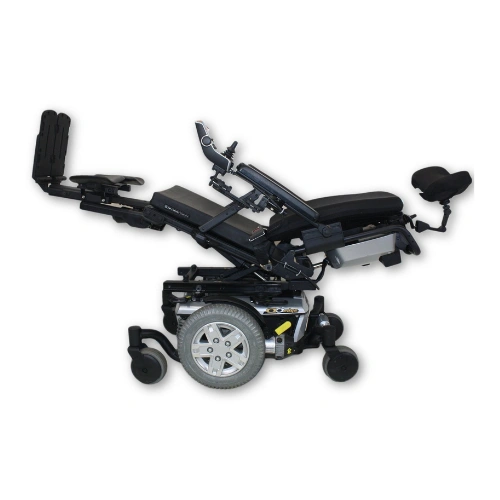
Power Wheelchair Accessories: What Medicare & Private Insurance Will Cover
Key Takeaways
What Power Wheelchair Accessories will insurance usually cover?
- Specialized Seat Cushions and Backrests (for pressure relief, posture)
- Headrests
- Manual/Power Elevating Leg Rests (ELR)
- Arm Troughs and Stump Supports
- Safety Belts and Positioning Straps
- Joystick and Control Modifications (if standard controls don’t work)
- Oxygen Holders
- Power Seat Elevation (if medically needed for transfers or daily tasks,
What Power Wheelchair Accessories is not commonly covered by insurance?
- Cup Holders
- USB Chargers
- Saddle Bags / Side Bags / Rear Baskets
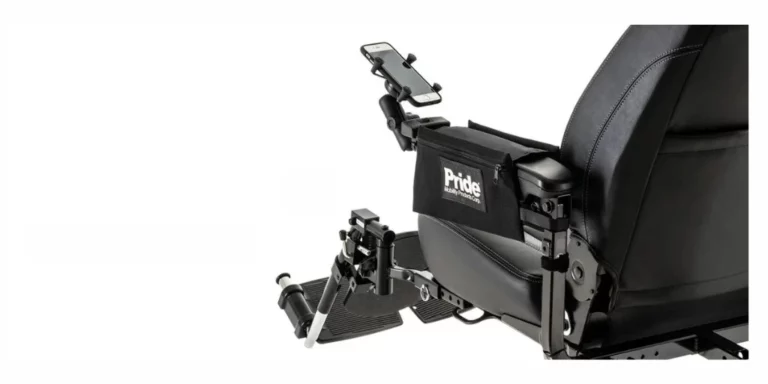
- Cell Phone Holders
- Transfer Handles and Lap Trays (unless medically justified)
- Custom Paint Jobs or Decorative Wheel Covers
- Weather Covers
- Lighting Kits
- Touchscreen Joysticks / Attendant Controllers (unless medically justified)
For many individuals who rely on power wheelchairs, accessories are more than just extras; they are important parts that make the chair safer, more comfortable, and help with daily living. From special cushions to different ways to control the chair, these accessories can truly make a difference in your life. But a common question comes up: what power wheelchair accessories are covered by insurance, and what might you need to pay for yourself?
Understanding your insurance plan, especially what “medical necessity” means, is the most important step. This guide will explain what insurance usually covers and what it doesn’t, and help you get the accessories you need for your power wheelchair.
What "Medical Necessity" Means: Your Insurance Key
Insurance companies, like Medicare, Medicaid, and private health plans, mainly cover Durable Medical Equipment (DME) and accessories that are “medically necessary.” This means your doctor, physical therapist, or occupational therapist must clearly state and write down that a specific accessory is needed to:
- Help treat a medical problem.
- Make a body part work better.
- Stop your health from getting worse.
- Make it safer and easier for you to do daily activities in your home.
If there isn’t clear medical proof that an accessory is needed, insurance usually won’t cover it. This is true even for items that seem helpful but are mainly for convenience or looks.
Does Insurance Cover Specialized Power Wheelchair Cushions and Backrests?
YES, with documentation. Beyond the basic cushion your chair comes with, insurance frequently covers specialized cushions (like gel, air, or shaped foam) and contoured backrests.
Why it’s covered: These items are medically necessary to prevent severe pressure sores (decubitus ulcers), manage pain, and provide the postural support needed for safe sitting and breathing. You will need a detailed prescription from your physician and often a physical therapist (PT) or occupational therapist (OT).
Are Power Elevating Leg Rests (ELR) and Arm Supports Covered?
YES, if medically required. Accessories like manual elevating leg rests (ELR), arm troughs, and stump supports are covered when your doctor can document a medical need.
Why it’s covered: These features are often necessary to manage symptoms like edema (swelling) or to accommodate a fixed joint or an amputation (stump support). They ensure your limbs are positioned correctly to maintain blood flow and prevent skin breakdown.
Call Us to Check Your Accessory Coverage Today!
Stop wasting time trying to read complicated insurance rules. Our mobility experts specialize in getting accessories covered for items like specialized seating and power positioning systems. We handle the paperwork and doctor coordination.
Call for a FREE Accessory Coverage Check: 866.864.6332
Does Medicare Cover Power Tilt and Power Recline Systems?
YES, but the coverage bar is high. Advanced power options like power tilt and power recline (found on rehab chairs like the TDX SP2) are covered if they are *the only way* you can safely and independently perform pressure relief or manage a severe medical condition.
Why it’s covered: These features are usually reserved for users with complex neuromuscular disorders (like ALS or Multiple Sclerosis) who cannot manually shift their weight. Coverage requires extensive clinical documentation from your entire care team.
When Does Insurance Cover Joystick and Control Modifications?
YES, if a standard joystick is unsafe. If a standard joystick is not functional due to your physical limitations, insurance often covers modifications.
Why it’s covered: These modifications—which can include a swing-away joystick, sip-and-puff controls, or a head array—are covered because they are essential to allow you to safely and independently operate the chair within your home.
Power Wheelchair Accessories Insurance Usually Doesn't Cover
Many accessories, while helpful, usually don’t meet the strict “medical necessity” rules for insurance coverage. You’ll typically pay for these yourself.
Here are examples of accessories usually not covered:
- Convenience Items:
- Cup Holders
- USB Chargers
- Saddle Bags / Side Bags / Rear Baskets
- Cell Phone Holders
- Transfer Handles and Lap Trays
- General Use & Protection:
- Weather Covers
- Lighting Kits
It’s important to remember that insurance rules can differ. For example, while “touchscreen joysticks” or “attendant controllers” are often out-of-pocket, in rare cases, a very strong medical reason might lead to coverage if standard controls are clearly not enough. This shows why good documentation is so important.
Need A Power Wheelchair or Accessories?
Need personalized advice on power wheelchair accessories and insurance coverage? Call reach out to us through out contact form here to speak with one of our mobility representatives. We’re here to help you understand your options and benefits.
Disclaimer: This information is for educational purposes only and should not replace professional medical advice. Always talk to your doctor or healthcare provider for diagnosis and treatment of any medical condition. Insurance coverage depends on your policy, medical necessity rules, and your individual plan benefits.